
Matrix vs. Reinforcement in Composite Materials
Composite materials derive their exceptional properties from the strategic combination of two or more distinct constituents: the matrix and the reinforcement. While each component serves fundamentally different roles, their interaction at the microscopic level determines the overall performance, durability, and application suitability of the final material. Understanding the differences between matrix and reinforcement—and more importantly, how they work together—is essential for engineers, designers, and procurement professionals involved in material selection and product development.
This guide provides a comprehensive examination of matrix and reinforcement materials, their respective functions, selection criteria, and the critical principles governing their interaction in modern composite systems.
What Is the Matrix in Composite Materials?
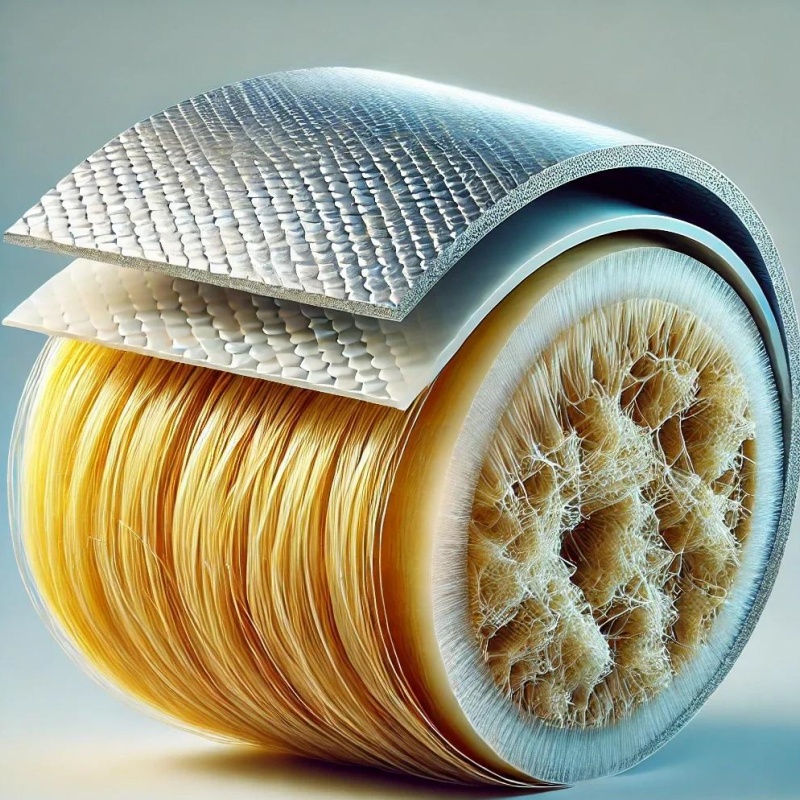
The matrix is the continuous, bulk phase of a composite material that surrounds and binds the reinforcement together. It typically occupies more than 50% of the material’s volume and serves as the “glue” that holds the reinforcing elements in place. However, volume alone does not define the matrix—the defining characteristic is its role as the continuous phase that transfers loads to the reinforcement and protects it from environmental degradation.
Primary Functions of the Matrix
The matrix performs several critical functions that are essential for composite performance:
Load Transfer: The matrix transmits applied mechanical loads to the reinforcement through shear stresses at the matrix-reinforcement interface. This load-sharing mechanism allows the strong, stiff reinforcement to carry the majority of the applied force.
Protection: It shields the reinforcement from environmental damage, including moisture ingress, chemical attack, UV radiation, and abrasion.
Fiber Alignment and Spacing: The matrix maintains the orientation and separation of reinforcement elements, ensuring that they function as designed.
Damage Tolerance: It provides a degree of toughness and damage resistance by distributing stresses and containing cracks.
Matrix Strain Requirement: A fundamental requirement for any matrix material is that its strain at break must be greater than that of the reinforcement it binds. Otherwise, the matrix would fail before the reinforcement can effectively bear load.
Types of Matrix Materials
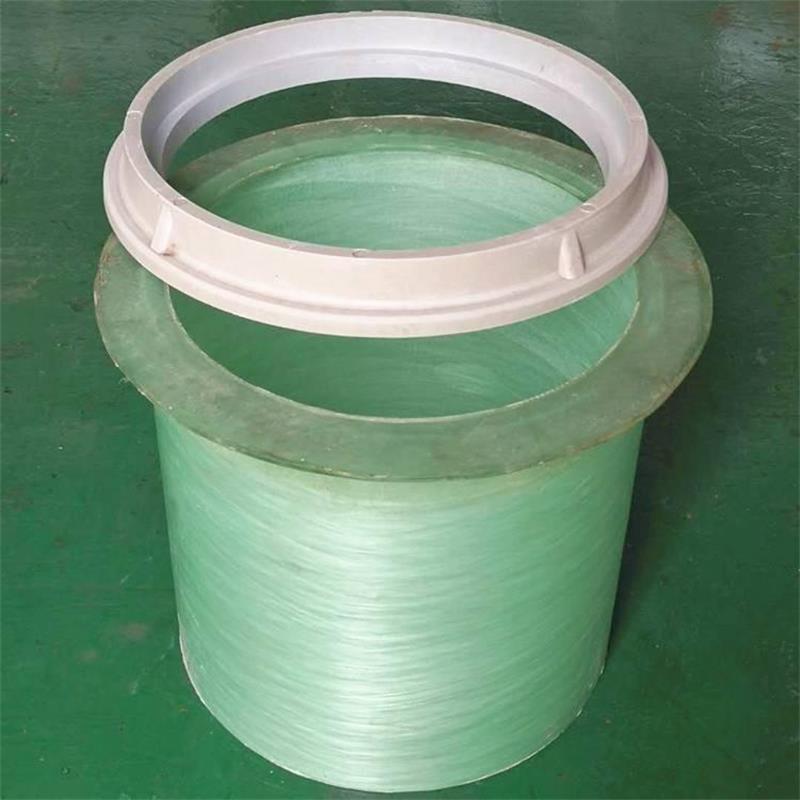
Polymer Matrices (PMCs)
Polymer matrix composites represent the most widely used category, valued for their ease of processing, corrosion resistance, and cost-effectiveness.
Thermosetting Polymers:
– Epoxy: High adhesion, low shrinkage, excellent mechanical properties—widely used in aerospace and high-performance applications
– Polyester: Most widely used, cost-effective, suitable for general applications
– Vinyl Ester: Good corrosion resistance, bridging the gap between polyester and epoxy
– Phenolic: Excellent fire resistance, low smoke emission
Thermoplastic Polymers:
– Offer advantages in toughness, recyclability, and faster processing
– Examples include polypropylene, nylon, PEEK, and PEI
Metal Matrices (MMCs)
Metal matrix composites are employed where higher temperature capability and improved mechanical properties are required. Aluminum, magnesium, and titanium alloys are the most commonly used metallic matrices.
Key characteristics:
– High-temperature performance exceeding polymer matrix limits
– Excellent electrical and thermal conductivity
– Good toughness and ductility
– Resistance to moisture absorption and aging
Applications: Automotive components, aerospace structures, electronic packaging, and nuclear reactors
Ceramic Matrices (CMCs)
Ceramic matrix composites are designed for extreme environments requiring high-temperature tolerance and wear resistance. Matrices such as silicon carbide (SiC) and alumina (Al₂O₃) are typical.
Key characteristics:
– Exceptional temperature resistance (up to 1000°C+)
– High hardness and wear resistance
– Chemical inertness
– Lower fracture toughness (addressed through reinforcement)
Applications: Gas turbine engines, heat exchangers, cutting tools, and aerospace thermal protection systems
What Is the Reinforcement in Composite Materials?
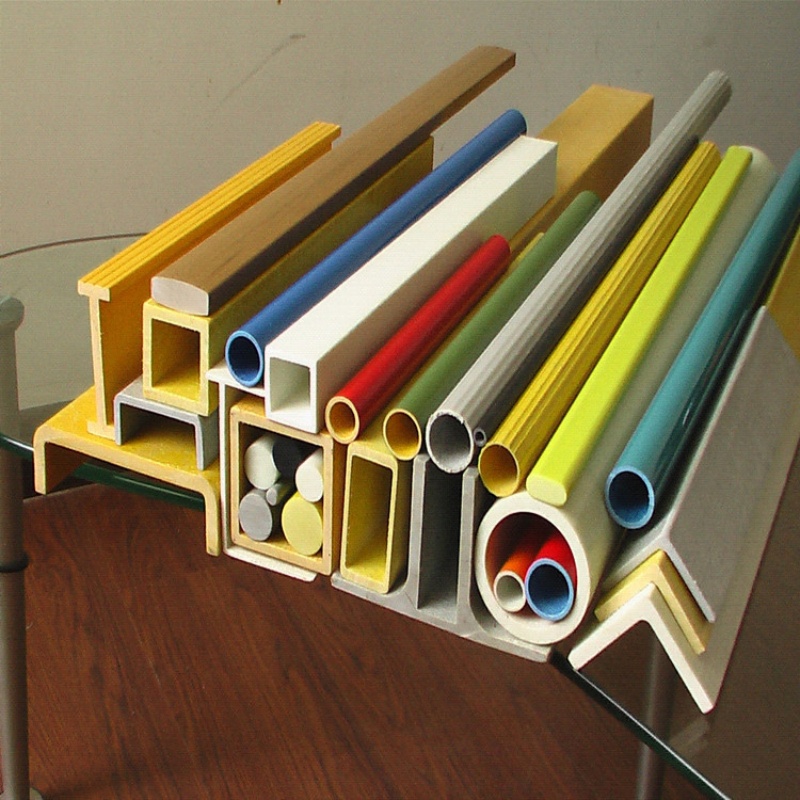
The reinforcement is the dispersed, discontinuous phase embedded within the matrix. Its primary role is to provide the majority of the composite’s strength, stiffness, or other functional performance characteristics. Reinforcement materials are generally stronger, stiffer, and often lighter than the matrix.
Primary Functions of Reinforcement
Strength and Stiffness: The reinforcement supplies most of the composite’s mechanical strength and rigidity through its intrinsic material properties.
Structural Integrity: It carries the applied loads and resists deformation, with the matrix transferring stress to the reinforcement.
Performance Tailoring: The choice, orientation, and volume fraction of reinforcement allow engineers to customize composite properties for specific applications.
Volume Fraction Effect: As the volume fraction of reinforcement increases, the composite’s strength and stiffness increase—but so do cost and processing difficulty. Higher reinforcement volumes can also make achieving good fiber-matrix bonding more challenging.
Types of Reinforcements
Fibers
Fibers are elongated reinforcements with high aspect ratios (length to diameter) that provide excellent tensile strength and stiffness along their length.
Continuous Fibers: Run the full length of the composite and provide maximum reinforcement efficiency. Typically aligned in one or more directions for tailored mechanical properties. Examples: carbon fibers, glass fibers, aramid fibers.
Discontinuous (Short) Fibers: Easier to process but provide lower mechanical properties compared to continuous fibers. Suitable for injection-molded parts and consumer goods.
Woven Fabrics: Interlaced fibers providing balanced strength in multiple directions. Common in marine hulls and wind turbine blades.
Particles
Particle reinforcements are small solid inclusions dispersed within the matrix, improving properties such as hardness, wear resistance, and sometimes strength.
Micro-sized Particles (1–100 µm) : Commonly used to enhance stiffness and wear resistance. Examples include SiC and Al₂O₃ particles.
Nano-sized Particles (<100 nm) : Can significantly improve mechanical, thermal, and electrical properties due to high surface area and matrix interaction. Examples: carbon nanotubes, graphene nanoplatelets.
Whiskers
Whiskers are single-crystal fibers with near-perfect crystallinity and minimal defects. They exhibit exceptional strength—typically 10–20 times higher than conventional fibers—and stiffness approaching theoretical limits.
Applications: Primarily used in ceramic matrix composites to improve fracture toughness and strength.
Hybrid Reinforcements
Combining two or more reinforcement types allows property optimization that leverages the advantages of each. For example, particles can fill spaces between fibers to improve wear resistance and thermal stability.
The Critical Synergy: How Matrix and Reinforcement Work Together
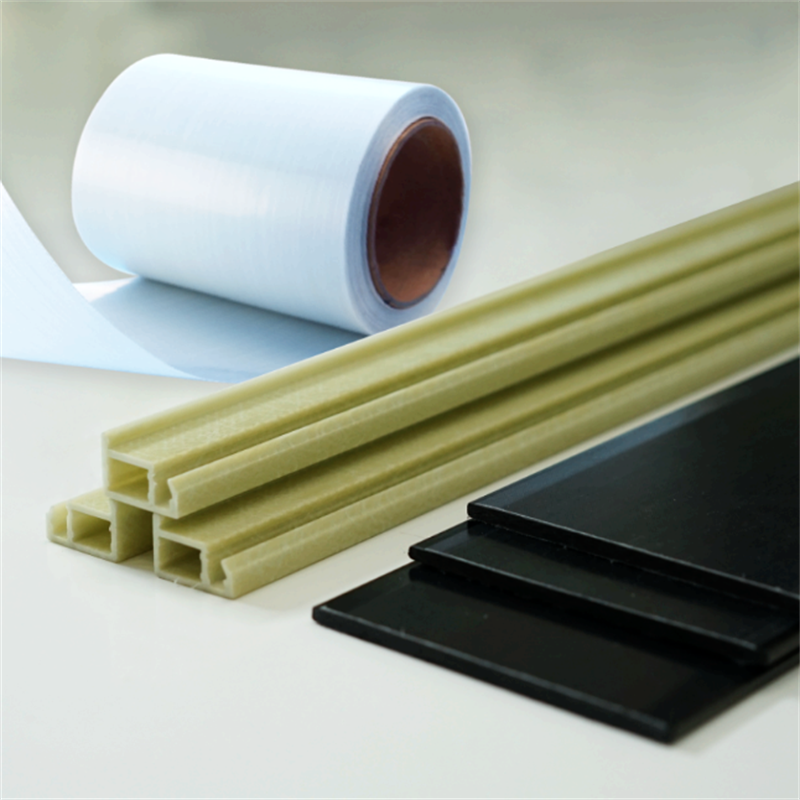
The composite’s performance is not the sum of its parts but the product of their interaction. The properties of the final material depend upon the properties of each phase, their relative proportions, and their geometry. Several factors determine the effectiveness of this interaction.
The Interface
The interface between matrix and reinforcement is arguably the most critical region in a composite. It acts as the “bridge” for forces between the softer matrix and harder reinforcement, and its quality directly impacts overall composite performance.
Interfacial Bonding: Strong interfacial bonding enables efficient stress transfer from the matrix to the reinforcement, improving composite strength. Weak bonding leads to fiber/matrix debonding and premature failure.
Interface Engineering: Recent research has demonstrated that interfacial layer design can significantly enhance mechanical performance. Studies on carbon fiber composites have shown that introducing interfacial layers with gradient modulus can effectively balance modulus mismatch between fibers and matrix while improving interfacial strength.
Interface Chemistry: Metal matrix composites face additional challenges—the formation of secondary phases at interfaces (such as aluminum carbide in Al/SiC systems) can cause localized embrittlement and degrade load transfer efficiency. Careful control of processing parameters and diffusion kinetics is essential.
Reinforcement Geometry and Orientation
The shape and arrangement of reinforcement directly determine the composite’s anisotropy and property distribution.
– Aligned continuous fibers: Provide maximum strength and stiffness in a single direction (anisotropic)
– Short fibers: Offer moderate properties with easier processing
– Particle reinforcement: Generally produces isotropic properties when uniformly dispersed
– Woven fabrics: Provide balanced properties in multiple directions
Volume Fraction Optimization
Engineers must balance competing factors when selecting reinforcement volume fraction:
– Increasing volume fraction → Increased strength and stiffness
– Higher volume fraction → Increased cost (reinforcement materials are typically more expensive)
– Very high volume fractions → Processing becomes difficult; achieving good bonding becomes challenging
Matrix-Reinforcement Compatibility
Critical compatibility factors include:
Strain Compatibility: The matrix must have a strain at break greater than the reinforcement.
Chemical Compatibility: The matrix and reinforcement must not react deleteriously during processing or service life. For metal matrix composites, avoiding excessive interfacial reactions is essential.
Wettability: For effective bonding, the matrix must wet the reinforcement surface. Surface treatments and coupling agents are often used to improve wetting and promote bonding.
Thermal Expansion Matching: Differential thermal expansion between matrix and reinforcement can introduce residual stresses and microcracking.
Material Selection Considerations
For the Matrix
1. Service Environment: Temperature, chemical exposure, moisture, and mechanical loading conditions dictate matrix selection
2. Processing Requirements: Manufacturing method compatibility (e.g., casting, compression molding, filament winding)
3. Cost Constraints: Polymer matrices are generally more economical; metals and ceramics are reserved for demanding applications
4. Ductility Requirements: More ductile matrices provide better damage tolerance
5. Reinforcement Compatibility: Chemical and thermal compatibility with the chosen reinforcement
For the Reinforcement
1. Mechanical Requirements: Specific strength, stiffness, or functional properties needed
2. Orientation Needs: Whether unidirectional, multidirectional, or isotropic properties are required
3. Fabrication Constraints: Processing method limitations on reinforcement type and form
4. Cost and Availability: Reinforcement materials vary widely in cost and supply chain complexity
5. Environmental Resistance: Reinforcement must survive service conditions and processing
Manufacturing Processes for Composites
The matrix-reinforcement interaction begins during manufacturing, where the combination is formed. Common processes include:
For Polymer Matrix Composites:
– Compression molding
– Pultrusion
– Filament winding
– Resin transfer molding (RTM)
– Hand lay-up (for low-volume production)
For Metal Matrix Composites:
– Powder metallurgy (mixing metal powder with reinforcement particles, compacting, and sintering)
– Casting with stirring (particles added to molten metal and stirred for dispersion)
– Vacuum pressure infiltration (forcing molten metal into fiber preforms)
– Squeeze casting
For Ceramic Matrix Composites:
– Chemical vapor infiltration (CVI)
– Polymer infiltration and pyrolysis (PIP)
– Hot pressing
Design Considerations for Matrix-Reinforcement Systems
Mechanical Design
Load Transfer Efficiency: Design the interface for optimal stress transmission. Recent research on SiC-reinforced aluminum composites has shown that localized stiffness improvements can reach up to 92.85% in reinforced regions, but these local gains do not necessarily translate proportionally to bulk tensile strength without optimal interfacial bonding.
Damage Tolerance: Consider how the matrix and reinforcement interact to resist crack propagation. Ceramic matrix composites, for example, achieve improved toughness through mechanisms like crack deflection and fiber pull-out at the interface.
Anisotropy Management: Understand and utilize directional properties. Aligned continuous fiber composites offer exceptional properties in the fiber direction but reduced properties transverse to it.
Thermal Design
Thermal Expansion: Minimize mismatch between matrix and reinforcement to prevent thermal stress-induced damage. For particles, critical thermal properties include thermal expansion coefficient and thermal conductivity.
Processing Temperature: Ensure both matrix and reinforcement remain stable at processing temperatures.
Environmental Design
Moisture Resistance: Polymer matrices can absorb moisture, affecting dimensional stability and mechanical properties. Particle-filled composites with hollow microspheres can significantly reduce weight while maintaining strength—density ranges from 150–380 kg/m³, lower than the polymer matrix itself.
Chemical Resistance: Select matrix materials with appropriate resistance to service-environment chemicals.
Quality Control and Testing
Important Parameters
– Fiber/particle volume fraction (affects strength, stiffness, and cost)
– Reinforcement dispersion uniformity (essential for consistent properties)
– Porosity content (affects strength and moisture resistance)
– Interfacial bond quality (critical for load transfer)
– Cure degree (for polymer matrices, affects final properties)
Industry Standards
Composites are governed by numerous standards organizations:
– ASTM International: D standards for composites
– ISO: International standards for composite testing
– SAE: Aerospace composites standards
– EN: European standards
Frequently Asked Questions
What is the main difference between matrix and reinforcement in composites?
The matrix is the continuous phase that binds the reinforcement and transfers loads, while the reinforcement is the dispersed phase that provides the majority of strength and stiffness. The matrix typically occupies >50% of volume; the reinforcement is the primary load carrier.
Why is the interface between matrix and reinforcement so important?
The interface is responsible for stress transfer from the matrix to the reinforcement. Poor interfacial bonding leads to inefficient load transfer and premature failure. Strong bonding, achieved through surface treatments or coupling agents, is essential for optimal composite performance.
What are the most common matrix materials used in composites?
The most widely used matrix materials are polymers (thermosets like epoxy and polyester, and thermoplastics), followed by metals (aluminum, magnesium, titanium) and ceramics (silicon carbide, alumina).
Can any material be used as reinforcement?
For effective reinforcement, a material should possess high strength and stiffness relative to the matrix, have good chemical compatibility with the matrix, and be available in suitable form (fibers, particles, or whiskers). Common reinforcement materials include carbon, glass, aramid fibers, SiC particles, and alumina.
What is the role of the matrix in load transfer?
The matrix transmits applied loads to the reinforcement through shear stresses at the interface. This occurs because the matrix has a lower modulus and deforms more than the reinforcement, creating shear forces at the interface that “pull” the reinforcement into bearing the load.
How does reinforcement volume fraction affect composite properties?
Increasing reinforcement volume fraction generally increases composite strength and stiffness but also increases cost and processing difficulty. Engineers must balance these factors to optimize for specific applications and budget constraints.
What are “hybrid composites”?
Hybrid composites incorporate two or more types of reinforcements (e.g., fibers + particles or fibers + whiskers) to create tailored properties that leverage the advantages of each reinforcement type. For example, particles can fill spaces between fibers to improve wear resistance and thermal stability.
How does particle size affect composite performance?
Smaller particles generally distribute stress better and improve strength, but can agglomerate and reduce toughness. Larger particles may cause stress concentration points but can enhance toughness through crack deflection mechanisms. A balanced approach is typically required.
What is the difference between “continuous” and “discontinuous” fiber reinforcement?
Continuous fibers run the full length of the composite and provide maximum reinforcement efficiency in the fiber direction. Discontinuous (short) fibers are easier to process but provide lower mechanical properties. Continuous fiber composites are typically used in high-performance structural applications.
What are ceramic matrix composites (CMCs) used for?
CMCs are designed for extreme environments requiring high-temperature tolerance and wear resistance. Typical applications include gas turbine engines, heat exchangers, aerospace thermal protection systems, and cutting tools. The matrix is typically SiC or Al₂O₃, with reinforcement such as carbon or SiC fibers.
Why is the matrix strain at break important?
The matrix must have a strain at break that exceeds that of the reinforcement. If the matrix fails before the reinforcement can effectively bear load, the composite will fail prematurely. This requirement is fundamental to the matrix’s role in load transfer.
How do manufacturing processes affect matrix-reinforcement interaction?
Processing methods determine reinforcement distribution, interface quality, and final composite properties. For example, powder metallurgy for metal matrix composites requires careful control of mixing and sintering to achieve uniform particle dispersion and strong bonding. Poor processing can result in particle agglomeration, porosity, and weak interfacial bonding that significantly degrade performance.
The matrix and reinforcement are two fundamentally different components that work in synergy to create composite materials with properties superior to either constituent alone. The matrix—whether polymer, metal, or ceramic—provides protection, load transfer, and continuity, while the reinforcement supplies strength, stiffness, and functional performance.
Understanding the interaction between these two phases—including the critical role of the interface, the influence of reinforcement geometry and volume fraction, and the importance of matrix-reinforcement compatibility—is essential for successful material selection and design. Recent advances in interface engineering demonstrate that optimizing the “bridge” between matrix and reinforcement can achieve significant performance improvements, even in well-established composite systems.
For engineers, designers, and procurement professionals, mastery of matrix-reinforcement principles enables informed material selection that balances performance, cost, and manufacturability—ultimately leading to more successful products and applications.
 Carbon Fiber vs Glass Fiber Composites
 The Influence of Fiber Orientation on the Mechanical Performance of Composite Laminates
 The Multifunctionality of Polymer Composites
 Thermoplastic vs. Thermoset Composites