
Guide to Selecting Platinum-Based Catalysts
As core materials in modern industry, platinum-based catalysts are widely used in numerous fields, including automotive exhaust purification, petrochemical reforming, fuel cells, and silicone synthesis. Faced with the vast array of products on the market, selecting the right catalyst not only tests engineers’ technical judgment but also directly impacts a company’s procurement costs and production efficiency.
Analysis of Chemical Composition and Form
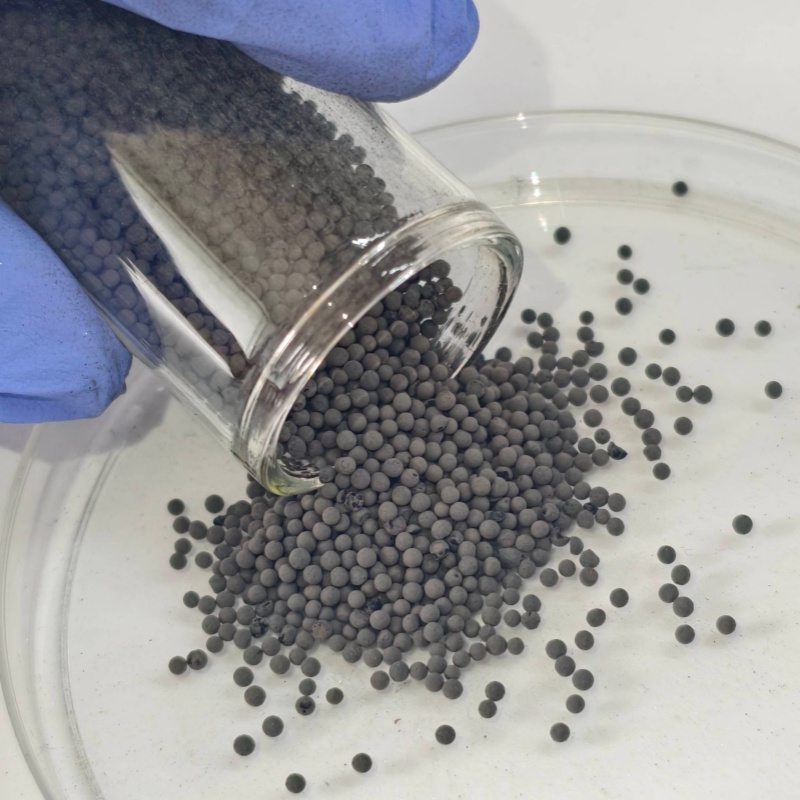
The performance of platinum catalysts depends largely on their active components, support materials, and physical form. In terms of chemical composition, platinum (Pt) is the core active metal; however, to enhance specific properties, co-catalysts are typically added or the platinum is blended with other platinum group metals. For example, in automotive three-way catalytic converters, platinum is often used in combination with palladium (Pd) and rhodium (Rh), as platinum exhibits high activity at lower temperatures and strong resistance to sulfur poisoning; in the ammonia oxidation process for nitric acid production, platinum-rhodium alloy wire mesh is commonly used.
In addition to pure metals or alloys, the catalyst support is equally critical. Common supports include alumina, activated carbon, and ceramic honeycomb structures. Taking environmental VOC treatment as an example, loading platinum onto honeycomb activated carbon or hydrophobic zeolite molecular sieves can significantly increase the specific surface area, thereby improving the treatment efficiency of low-concentration exhaust gases. Furthermore, in addition-curing silicone materials (such as silicone rubber), platinum catalysts are often present in the form of chloroplatinic acid and its complexes, such as Karstedt’s catalyst. These catalysts feature high activity, a light color, and good storage stability.
In recent years, to reduce the high cost of precious metals, advanced structural designs have become the mainstream approach. Core-shell catalysts, which use inexpensive metals as the core and an ultra-thin platinum shell, significantly improve platinum atomic utilization; single-atom catalysts disperse platinum as individual atoms on a support, theoretically achieving 100% atomic efficiency.
Application-Specific Selection Recommendations
There is no “one-size-fits-all” formula for selecting platinum catalysts; the choice must be closely tailored to actual operating conditions.
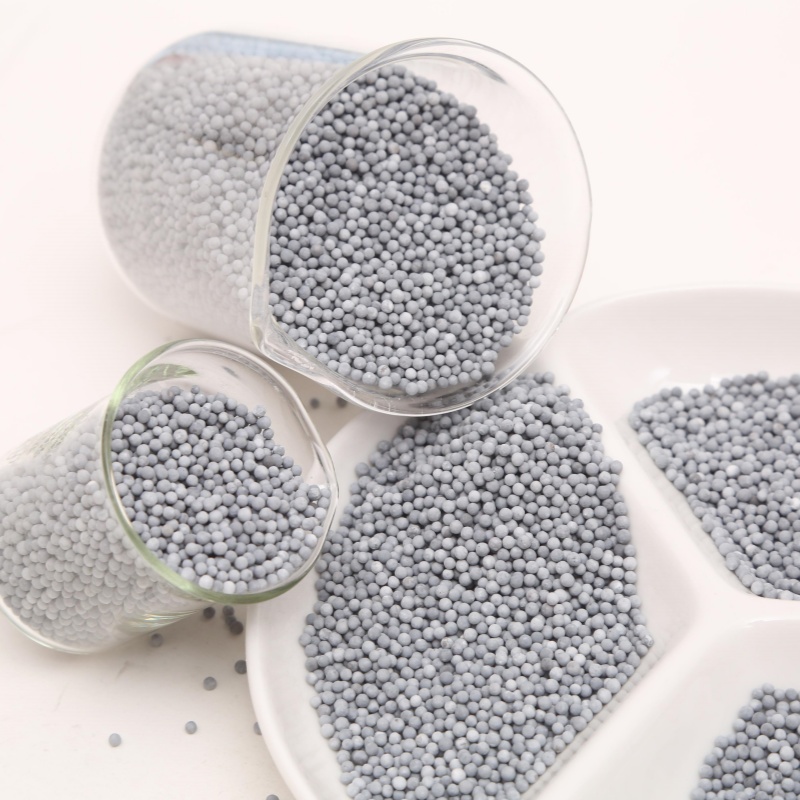
For automotive and industrial exhaust treatment, the primary considerations are resistance to poisoning and the ignition temperature. If the exhaust contains sulfides or halogens, a special formulation resistant to sulfur and halogens must be selected. At the same time, attention must be paid to whether the catalyst’s ignition temperature (T50) matches the actual exhaust temperature and whether the gas-hourly space velocity (GHSV) falls within the appropriate range of 5,000 to 30,000 h⁻¹. For high-humidity conditions, it is recommended to prioritize platinum catalysts supported on hydrophobic zeolite molecular sieves.
In the petrochemical and fine chemical industries, the focus is on selectivity and long service life. For example, in catalytic reforming, platinum-rhenium bimetallic catalysts have become the mainstream choice for improving gasoline octane ratings due to their excellent aromatization capacity and resistance to poisoning. In the organosilicon industry, the appropriate type of platinum complex catalyst must be selected based on product curing requirements (such as rapid curing at medium to low temperatures, resistance to yellowing, and single-component latent properties).
In the field of new energy (such as fuel cells and hydrogen production via water electrolysis), platinum-carbon (Pt/C) nanoparticles are currently the preferred choice for the oxygen reduction reaction due to the extremely demanding material requirements of acidic environments. When purchasing, special attention should be paid to the platinum loading, particle size (typically 2–3 nanometers), and the corrosion resistance of the carbon support.
Frequently Asked Questions (FAQ)
Q: How should platinum and palladium be selected or substituted in automotive catalysts?
A: This primarily depends on fuel type and cost. Palladium is widely used in gasoline vehicles but is prone to sulfur poisoning; platinum offers better resistance to sulfur and exhibits excellent activity at low temperatures. As the sulfur content in fuel has decreased, the substitution ratio of platinum to palladium in gasoline vehicle catalysts has now reached 1:1. However, in diesel vehicles, due to higher sulfur content and particulate matter levels, platinum is typically relied upon more heavily.
Q: What should be done if a platinum catalyst becomes “poisoned”? Can it be restored?
A: Common poisons include sulfur and sulfides, carbon monoxide, carbon deposits, and coking. For deactivation caused by carbon buildup or mild poisoning, activity can be restored through regeneration steps such as high-temperature calcination or reduction under a hydrogen flow. However, in cases of severe, irreversible poisoning or metal sintering, the platinum must be recovered through methods such as acid leaching, and the catalyst must be replaced with a new one.
Q: How do you evaluate the cost-effectiveness of a platinum catalyst?
A: Do not focus solely on the initial purchase price. We recommend adopting the concept of Total Cost of Ownership (TCO), calculated as: initial purchase cost + (number of replacements during the service life × cost per replacement) + hazardous waste disposal costs. Products with high technical sophistication and long service life may have a higher unit price, but their overall cost is often lower.
Procurement and Usage Precautions
After identifying candidate suppliers, never place an order blindly based solely on technical specifications; be sure to conduct small-scale trials or hanging-plate tests. Operate the samples under actual operating conditions for 1–2 weeks, tracking and recording removal rates, changes in pressure drop, and any abnormal phenomena such as coking or poisoning. This is the best way to verify the product’s true performance.
While focusing on the catalyst itself, do not overlook supporting equipment and operations and maintenance management. For example, install online monitoring equipment to track bulk density and flowability in real time, preventing performance degradation from going undetected; establish a regular regeneration schedule, as high-temperature calcination is currently the most cost-effective method for removing carbon deposits.
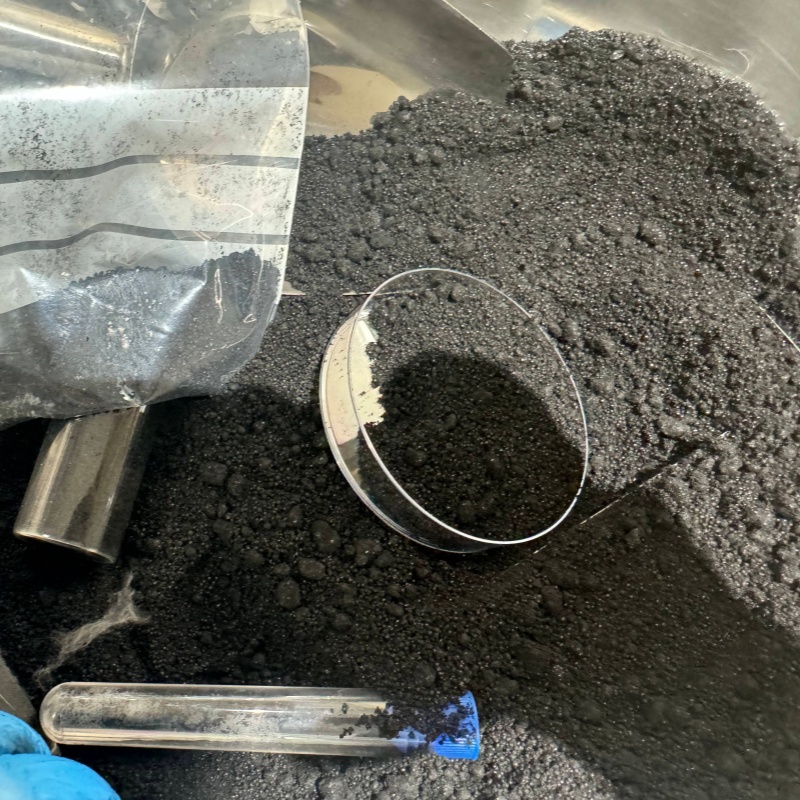
Finally, place high priority on supply chain compliance and sustainability. Platinum group metals are strategic resources; global supply is highly concentrated and subject to severe price volatility. During procurement, verify that suppliers have a comprehensive recycling system for secondary resources (spent catalysts) and the necessary qualifications for compliant disposal. Selecting leading companies with in-house R&D capabilities and end-to-end closed-loop services not only ensures stable supply but also yields better economic returns during the subsequent metal recovery process.
 What Is Polyimide (PI)
What Is Polyphenylene Sulfide (PPS)
What Is Polyimide (PI)
What Is Polyphenylene Sulfide (PPS)
 What is PEEK-for Engineers and Buyers
 Application Scope of Zirconia Ceramic Structural Components