
Comprehensive Guide to Thermoplastics
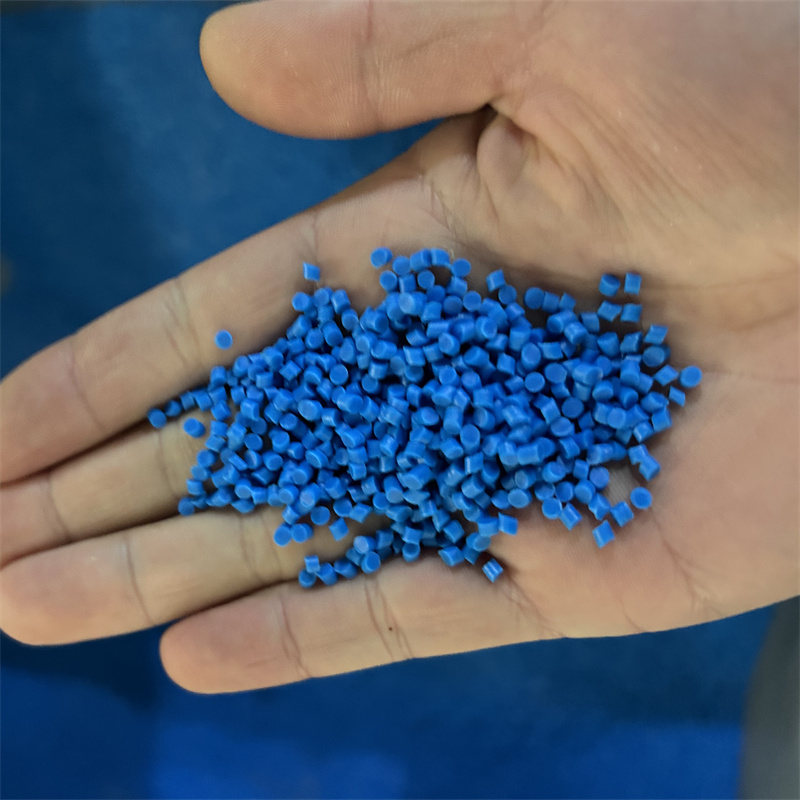
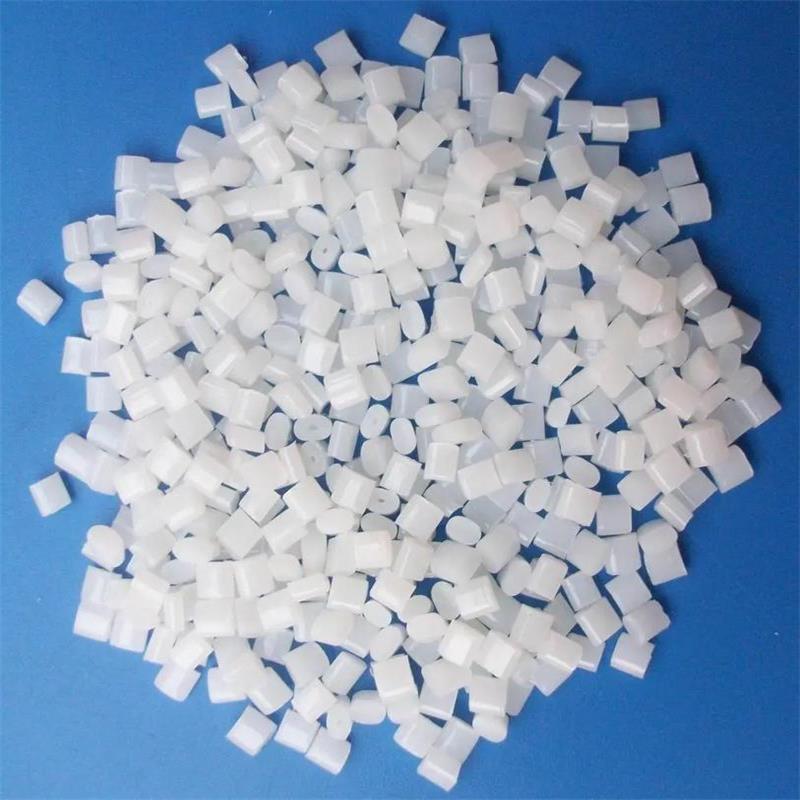
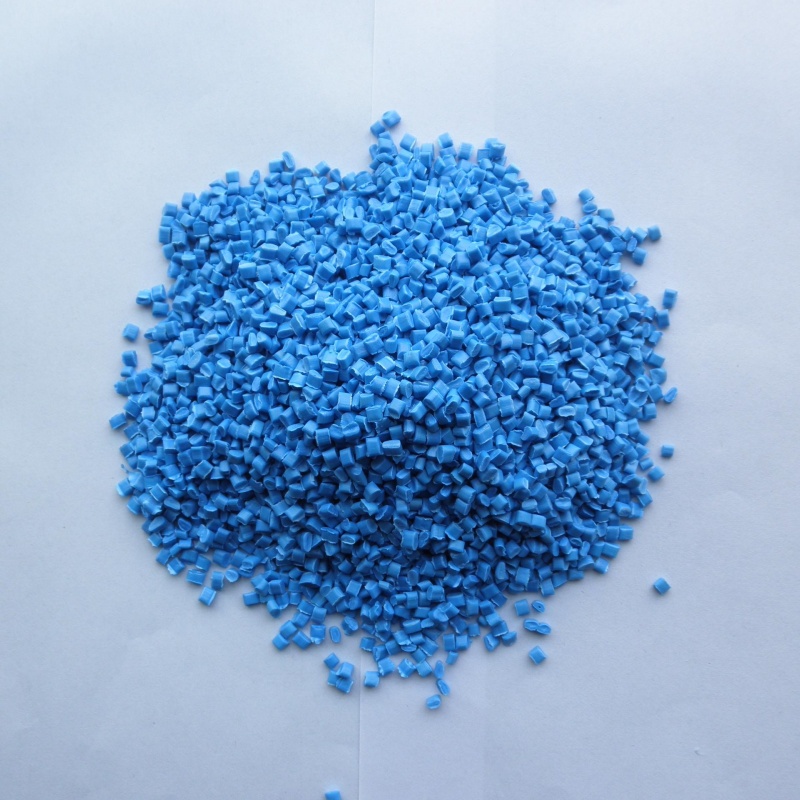
In modern engineering manufacturing and materials procurement, thermoplastics have become a key alternative to traditional metals and thermosetting materials due to their outstanding overall performance, processing flexibility, and increasingly recognized environmental benefits. For engineers and procurement professionals, a deep understanding of the properties, advantages, and application scenarios of thermoplastics is crucial for optimizing product design and controlling supply chain costs.
Properties: The Secrets of Physical Changes and Molecular Structure
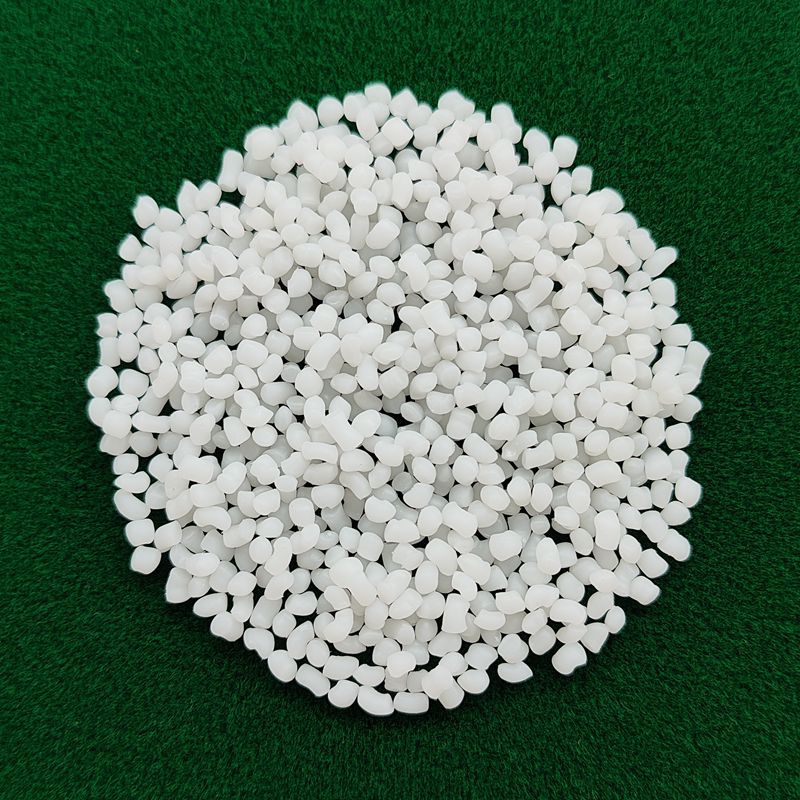
The most fundamental property of thermoplastics lies in their reversible physical process of “softening when heated and hardening when cooled.” From a microscopic molecular structure perspective, thermoplastics consist of linear or branched polymer chains, which are primarily held together by weak van der Waals forces, with no chemical cross-links. This means that when heated, the molecular chains can slide relative to one another, causing the material to melt and become fluid; upon cooling, the molecular chains realign and return to a solid state. This purely reversible physical change allows thermoplastics to be repeatedly heated and reshaped without altering their fundamental chemical properties.
Based on their structural state, thermoplastics can be divided into two major categories: amorphous (e.g., PC, PVC, which offer high transparency and good flexibility) and crystalline (e.g., PE, PA, which offer high mechanical strength and good chemical resistance). In addition, they generally possess excellent electrical insulation, corrosion resistance, and low density, providing a natural advantage for lightweight design.
Advantages: Why Choose Thermoplastics?
In engineering evaluations and procurement decisions, the advantages of thermoplastics are primarily reflected in the following four areas:
Excellent Processing and Production Efficiency: Thermoplastics are ideally suited for high-efficiency molding processes such as injection molding, extrusion, and blow molding. They feature short molding cycles and do not require prolonged curing in special environments—such as cleanrooms—as do thermosetting materials, which significantly increases production throughput and reduces manufacturing costs.
Sustainability and High Recycling Rates: In the context of a circular economy, the ability of thermoplastics to be repeatedly remelted gives them extremely high recycling value. Whether it is scrap material generated during production or end-of-life products, they can be reintroduced into production through mechanical or chemical recycling, aligning with modern companies’ ESG goals.
Outstanding Mechanical and Impact Resistance Properties: Compared to many thermosetting materials, virgin thermoplastic resins typically offer better toughness and impact resistance. Even in low-temperature environments, they retain a certain degree of deformability and are less prone to brittle fracture.
Superior Storage and Joining Properties: Thermoplastic materials do not undergo chemical degradation at room temperature, do not require frozen storage, and have a long shelf life. At the same time, they support molecular-level joining technologies such as ultrasonic welding and induction welding, eliminating the need for additional fasteners and further enabling lightweight structures and superior sealing.
A Simple Comparison with Other Materials
To facilitate a more intuitive material selection process, we can briefly compare thermoplastics with thermosets and traditional metals.
In terms of thermal behavior and molecular structure, thermoplastics soften when heated and can be repeatedly reshaped; their molecules are linear or branched and lack chemical cross-linking; In contrast, thermosetting plastics undergo irreversible curing upon heating; reheating only leads to degradation, and their internal structure consists of a highly cross-linked three-dimensional network; traditional metals, on the other hand, must be heated to their melting point to melt, solidify upon cooling, and maintain their shape through a crystalline structure held together by metallic bonds.
In terms of recyclability and toughness, thermoplastics have extremely high recycling value, can be remelted and recycled, and offer high impact resistance and good ductility; thermosets, on the other hand, are extremely difficult to recycle through heating and are typically brittle; traditional metals also have a high recycling rate and can be remelted, while their impact resistance and toughness depend on the specific metal type, though they are generally heavy.
In terms of corrosion resistance, thermoplastics perform exceptionally well, withstanding a wide range of acidic and alkaline solvents; thermosets offer good corrosion resistance, though some resins are susceptible to specific solvents; traditional metals have relatively poor corrosion resistance and are prone to electrochemical corrosion.
Application Areas
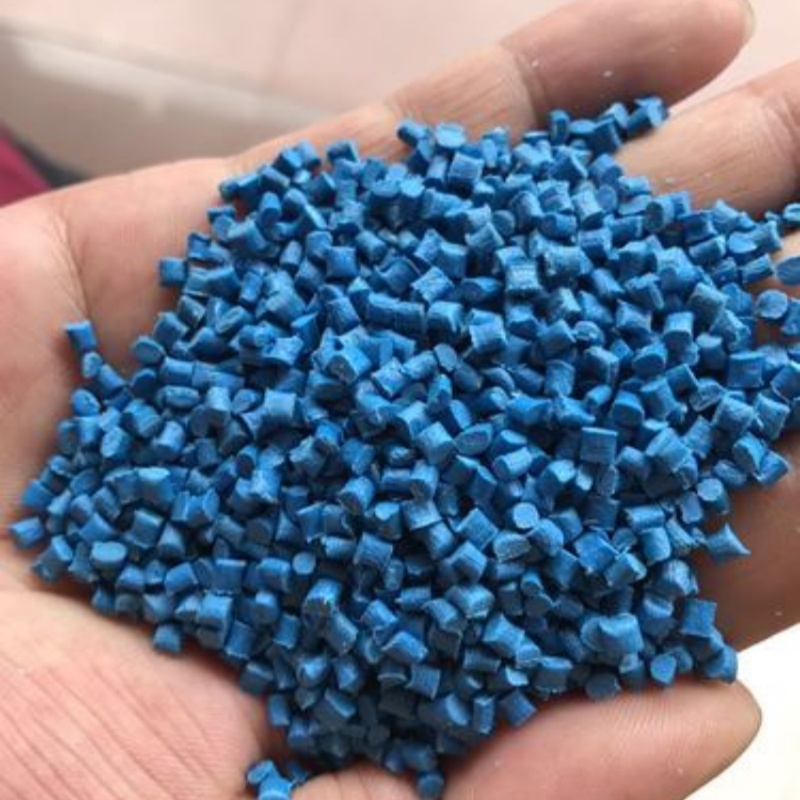
Thanks to the above characteristics, thermoplastics have become deeply integrated into major core industrial sectors:
New Energy Vehicles: Widely used in battery pack housings, high-voltage connectors, millimeter-wave radar radomes, and more. For example, flame-retardant polypropylene (PP) and long-glass-fiber-reinforced nylon (PA) not only meet weight-reduction requirements but also offer excellent flame-retardant and insulating properties.
Aerospace: Carbon fiber-reinforced thermoplastic composites (such as CF/PEEK and CF/PPS) are gradually replacing some thermoset composites and aluminum alloys. They are used in airframe structural components, wing leading edges, and satellite mounts, offering not only significant weight reduction (in some cases exceeding 45%) but also excellent fatigue resistance.
Medical Devices: Thanks to their good biocompatibility and ease of sterilization, polycarbonate (PC) and thermoplastic elastomers (TPE) are widely used in the manufacture of disposable syringes, artificial joints, synthetic heart valves, and housings for in vitro diagnostic devices.
Chemical and Environmental Protection Equipment: Leveraging their outstanding chemical resistance, materials such as polyethylene (PE) and polytetrafluoroethylene (PTFE) are often rotomolded into large chemical storage tanks, acid- and alkali-resistant piping, and tank trucks, significantly extending the service life of the equipment.
Procurement and Material Selection Recommendations
When selecting thermoplastics, procurement professionals and engineers should not only focus on basic physical parameters but also comprehensively consider the material’s processing window, modification potential (such as glass fiber reinforcement and flame retardant modification), and the stability of the supplier’s supply chain. As bio-based thermoplastics and high-temperature-resistant specialty engineering plastics (such as PEEK and PPS) continue to mature, a reasonable assessment of total cost of ownership (TCO) will help companies achieve a win-win scenario of cost reduction, efficiency improvement, and green transformation amid intense market competition.